A great company offsite does something an ordinary week in the office can't: it gets your team out of their routine long enough to think, align and actually talk to each other. New York City is one of the best places in the world to do that — and one of the easiest places to get it wrong. Thousands of event spaces, dozens of neighborhoods, food-and-beverage minimums that catch first-timers off guard, and a market where the best rooms book months ahead.
This guide walks through how to plan a company offsite in NYC from first idea to signed contract: how to choose the right type of venue, which neighborhoods work best, how to read a venue budget, when to book, and the questions to ask before you sign anything.
1. Start with the outcome, not the venue

The most common offsite mistake is falling in love with a space before deciding what the day is for. Before you look at a single venue, write down the one or two outcomes the offsite has to deliver. Typical goals include:
- Strategy and planning — leadership or department heads setting priorities for the next quarter or year
- Team building and connection — especially for hybrid or remote teams who rarely share a room
- Training or workshops — hands-on sessions that need breakout space and good AV
- Celebration or recognition — a milestone, a launch or a strong year
The goal decides almost everything else. A strategy session needs natural light, quiet and room to spread out. A celebration needs atmosphere, a great bar program and a layout that encourages mingling. A workshop needs breakout rooms and reliable Wi-Fi more than it needs a view.
2. Match the venue type to your headcount and format
Once you know the goal, your headcount and agenda narrow the field quickly. Here is how the main types of NYC offsite venues compare:
| Venue type | Best for | Typical group size | Watch out for |
|---|---|---|---|
| Loft or daylight studio | Strategy days, workshops, creative sessions | 20–150 | AV, furniture and catering often brought in separately |
| Hotel meeting space | Full-day agendas, out-of-town attendees | 20–500+ | Food-and-beverage minimums, room-block commitments |
| Private dining room | Leadership dinners, small team offsites | 10–80 | Limited flexibility on layout and timing |
| Rooftop or terrace | Evening receptions, summer offsites | 30–300 | Weather backup plans, seasonal availability |
| Unique venues (galleries, libraries, members' clubs) | Memorable experiences, client-facing days | 20–200 | Strict vendor rules, buyout costs |
| Brooklyn or waterfront spaces | Team building, a change of scenery | 20–250 | Travel time for attendees coming from Midtown |
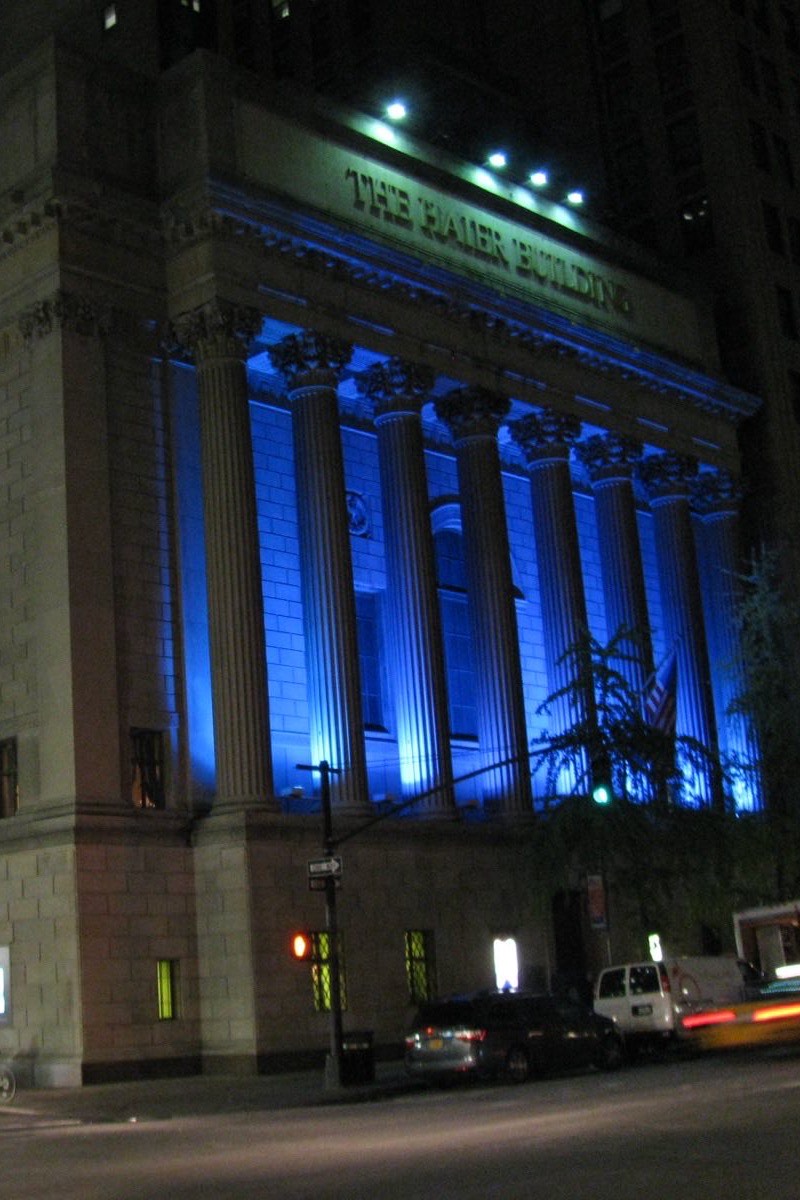
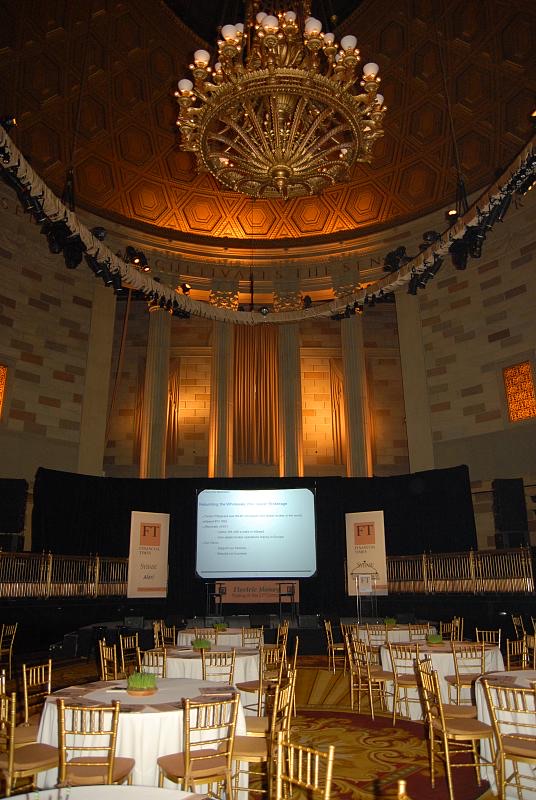
A useful rule of thumb: plan your daytime space around the agenda (seating style, breakouts, AV) and your evening space around the experience (food, drinks, atmosphere). Many of the best NYC offsites use two different venues for exactly this reason.
3. Choose the right NYC neighborhood
Location matters more in New York than almost anywhere else, because a 20-minute difference in commute is the difference between a team that arrives energized and one that arrives late. Consider where most attendees are coming from — the office, home, or hotels for out-of-town staff.
- Midtown — the most convenient for commuters and train stations, with the widest choice of hotels and meeting space. Ideal when people are traveling in.
- Flatiron, Union Square and NoMad — a strong supply of lofts and daylight studios with a more creative feel, while staying central and easy to reach by subway.
- Chelsea and Hudson Yards — galleries, modern event spaces and newer hotels, with easy access to the High Line for a walk between sessions.
- SoHo, Tribeca and the West Village — boutique, design-forward spaces and excellent restaurants for an evening program.
- Lower Manhattan and FiDi — good value, waterfront views and plenty of hotel inventory, especially on weekends.
- Brooklyn (DUMBO, Williamsburg) — skyline views and a genuine change of scenery; best when the team is already Brooklyn-heavy or the day is built around team building.
4. Understand what an NYC venue budget really includes
NYC venue pricing rarely comes as a single number. When you request proposals, expect some combination of the following:
- Room rental or venue fee — a flat charge for the space, sometimes waived if you meet a spending minimum
- Food and beverage (F&B) minimum — the amount you must spend on catering and drinks; common at hotels, restaurants and private dining rooms
- Service charge or administrative fee — often a significant percentage added on top of food and beverage
- Sales tax — applied to most event charges in New York City
- AV and production — projectors, screens, microphones and tech support, which can be in-house or from a vendor
- Rentals, staffing and security — furniture, coat check and extra staff, particularly at raw loft spaces
The takeaway: two venues with the same headline price can end up thousands of dollars apart once service charges, tax and AV are added. Always compare all-in totals, not starting rates — and ask what is negotiable. Dates, day of the week and season all affect what a venue will offer, and weekday dates in slower months often come with stronger terms.
5. Book on the right timeline
The best NYC venues book early, especially for spring, early summer and the fall conference season. Here is a realistic planning timeline for a company offsite in New York:
| When | What to do |
|---|---|
| 4–6 months out | Set goals, budget and headcount; start venue sourcing |
| 3–4 months out | Shortlist venues, do site visits, negotiate and sign the contract |
| 2–3 months out | Lock the agenda, catering, AV and any hotel room block |
| 4–6 weeks out | Confirm final details, transportation and run of show |
| 1–2 weeks out | Give final headcount (guarantee) and share logistics with attendees |
Shorter lead times are possible — plenty of great offsites come together in a few weeks — but the shortlist gets smaller and negotiating leverage drops, so expert sourcing matters even more.

6. Ask these questions before you sign
A venue contract is where most offsite surprises hide. Before you commit, get clear answers to these questions:
- What is the all-in estimate, including service charge, tax and AV?
- Is there a food-and-beverage minimum, and what counts toward it?
- What are the cancellation and attrition terms if headcount drops?
- Can we bring in outside vendors (AV, catering, décor), and are there fees for doing so?
- What is included in the room — tables, chairs, Wi-Fi, screens, staff?
- What are the access times for setup and breakdown?
- Is the space fully private, or will other groups share common areas?
- Is there a weather backup for any outdoor or rooftop space?
- Is the venue accessible for every attendee?
- When is the final headcount guarantee due?
7. Common offsite mistakes to avoid
- Overpacking the agenda. Leave real breaks. The hallway conversations are often the most valuable part of the day.
- Ignoring the commute. A beautiful venue an hour from most of your team will cost you energy and attendance.
- Comparing headline prices. Compare the full proposal, not the starting rate.
- Skipping the site visit. Photos rarely show noise levels, ceiling height or how a room feels at full capacity.
- Forgetting dietary needs. Collect dietary restrictions when you send the invite, not the week before.

How Venue Assist makes NYC offsite planning easier — at no cost
Sourcing an offsite venue in New York usually means dozens of emails, calls and proposals that don't line up side by side. Venue Assist does that work for you. Send us one brief — your dates, headcount, budget and goals — and we approach the right venues on your behalf using our first-hand relationships across New York.
Within 48 hours, you receive a curated shortlist with rates and terms already negotiated in your favor, presented so you can compare options side by side. And because venues pay a standard industry commission, our venue sourcing is completely complimentary for you.
Whether you're planning a leadership strategy day in Midtown, a team-building offsite in Brooklyn or a full program with a hotel room block for out-of-town staff, we'll help you find the right space and the right terms.
Planning a company offsite in NYC? Send us your brief and we'll come back with options within 24–48 hours.
Frequently asked questions
How far in advance should I book a company offsite venue in NYC?
Aim for four to six months ahead for the widest choice, especially in spring and fall. Shorter timelines are possible, but options narrow and there is less room to negotiate.
What is a food-and-beverage minimum?
It is the minimum amount you agree to spend on catering and drinks to use the space. If you spend less, the difference is usually still charged. Service charges and tax are typically added on top.
What is the best neighborhood for a corporate offsite in Manhattan?
Midtown is the most convenient for commuters and out-of-town attendees, while Flatiron, Chelsea and SoHo offer more creative loft-style spaces. The right choice depends on where your team is coming from and the type of day you're planning.
Is venue sourcing really free?
Yes. With Venue Assist, venue sourcing is complimentary because venues pay a standard industry commission. You get expert recommendations and negotiation at no cost.
Can you also handle hotel rooms for out-of-town attendees?
Yes. Venue Assist sources group hotel room blocks and negotiates rates and attrition terms alongside your venue.